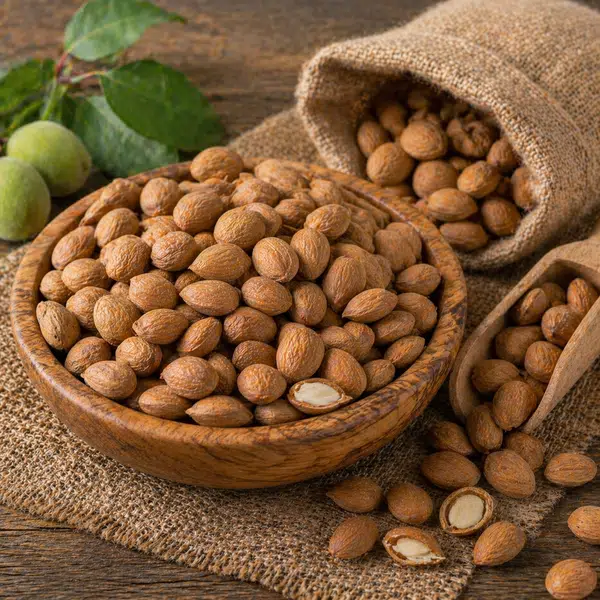
Organic product page

Organic Apricot Kernels

Application-led kernel supply for ingredient and processing buyers, with sweet and carefully reviewed bitter programs discussed according to end use, market requirements and technical specification.

Origin: Malatya, Turkey
Certification: Organic supply programs
Supply mode: Sweet and bitter kernel sourcing programs on request
Commercial role: Technical ingredient line for processing-oriented buyers
Ingredient Processing Sweet Bitter Organic
Organic apricot kernels from Malatya, Turkey

Commercial overview

This product is mainly relevant to ingredient buyers and processing-oriented customers rather than general retail channels. Kernel requirements differ materially depending on the intended application, so commercial discussions usually begin with the exact end use, required sensory profile, technical limits, packing logic and destination market.

Sweet apricot kernels are typically discussed for ingredient and food manufacturing use where a milder kernel profile is required. Bitter kernel programs are more tightly application-dependent and should only be evaluated against the buyer's exact use case, technical controls and market suitability. Because classification, acceptable use and commercial handling can differ between markets, this product is quoted on a specification-led basis rather than as a generic commodity line.

This page is structured to help importers, distributors, processors and industrial buyers review the line before moving into a detailed quotation process covering kernel type, grade, pack format, shipment size, analytical requirements and destination-market expectations.

Specification snapshot

Selected organic apricot kernels for ingredient and processing channels, supplied against application-specific specification including kernel type, size profile, visual quality, microbiological alignment and packing format.

Depending on the program, discussions may include sweet or bitter classification, broken kernel tolerance, foreign matter control, moisture profile, microbiological targets, residue expectations, organic documentation, bulk packing structure and intended processing route.

Final values must always be aligned to crop conditions, kernel type, processing route, customer application, regulatory considerations and destination market requirements.

Range position

Organic Range

Application-led kernel supply for ingredient and processing buyers, available in sweet and carefully reviewed bitter programs on request.

Key applications

  • Ingredient use
  • Processing channels
  • Sweet kernel requirements
  • Application-reviewed bitter kernel requirements
  • Industrial formulations
  • Further processing

Packing direction

  • Bulk kernel packs
  • Processing supply formats
  • Application-specific packing
  • Industrial shipment planning
  • Custom commercial discussions
  • Specification-led supply

Why this product is handled differently

Unlike general dried fruit retail items, apricot kernels are a technical product. Buyers do not usually purchase them on origin and price alone. The correct commercial approach depends on kernel type, intended use, internal processing controls and the regulatory framework of the destination market.

  • More application-specific than most dried fruit categories
  • Kernel type directly affects commercial suitability
  • Often purchased by processors rather than general retail buyers
  • Requires stronger analytical and specification alignment
  • Needs clearer end-use definition before quotation
  • Organic documentation can be commercially decisive for approval

Typical buyer profiles

  • Ingredient manufacturers: seeking controlled raw material input for defined production use
  • Food processors: requiring kernel supply matched to technical specification and downstream process
  • Industrial importers: sourcing bulk organic kernel programs for controlled applications
  • Specialty distributors: working with technical product lines rather than general consumer retail
  • Private industrial users: needing traceable organic supply with clear specification control
  • Further processors: evaluating sweet or bitter kernel suitability according to exact application

Technical product profile

Origin character

Malatya is closely associated with apricot production, making kernel supply commercially relevant for buyers seeking origin-linked raw material from the same broader apricot value chain.

Kernel classification

Commercial discussions normally distinguish between sweet and bitter kernels. This distinction is not only sensory; it also affects technical review, intended use, risk management and market suitability.

Processing direction

Kernel programs are usually discussed for ingredient or processing use, with attention to sorting level, breakage tolerance, cleanliness, analytical controls and pack suitability for industrial handling.

Commercially relevant quality parameters

In professional trade, apricot kernels are bought against a defined technical brief. The most important parameters are the ones that influence processing suitability, product safety management, consistency, regulatory acceptability and post-arrival claim risk.

  • Sweet or bitter kernel classification
  • Organic certification alignment and document scope
  • Whole kernel integrity and broken kernel tolerance
  • Color, visual cleanliness and sorting level
  • Foreign matter control
  • Moisture profile and storage stability
  • Microbiological expectations according to application
  • Residue and contaminant expectations
  • Application-specific analytical review where required
  • Packing suitability for industrial handling and traceability

Typical specification discussion points

  • Exact intended application
  • Sweet or bitter kernel requirement
  • Target market and destination country
  • Required analytical and microbiological parameters
  • Organic certification requirements for the destination market
  • Broken kernel tolerance and sort level
  • Pack style, net weight and industrial handling format
  • Document package for customs, QA and approval
  • Shipment size and delivery planning
  • Any buyer-specific restrictions, declarations or compliance conditions

Indicative technical specification framework

The framework below is intended for inquiry-stage alignment only. Final values and commercial tolerances should always be confirmed in the approved product specification and contract documents.

Product name: Organic apricot kernels

Origin: Malatya, Turkey

Certification: Organic supply program

Kernel type: Sweet or bitter, subject to agreed application

Presentation: Selected kernels for ingredient and processing channels

Processing status: Sorted and packed according to agreed specification

Appearance: Characteristic for the agreed kernel type and sort level

Taste and odor: Characteristic for the agreed kernel class

Foreign matter: Controlled according to agreed specification

Microbiology: To be confirmed according to customer, market and application requirements

Shelf life: To be confirmed according to pack type, storage conditions and production timing

Storage: Cool, dry and hygienic storage away from moisture, heat and odor contamination

Exact analytical requirements, contaminant criteria, microbiological limits, breakage tolerance and packaging structure should be finalized case by case based on the intended industrial use.

Sweet kernel programs

Usually discussed where a milder kernel profile is needed for ingredient and food manufacturing applications.

Bitter kernel programs

Discussed only on an application-specific basis, with technical review of end use, compliance expectations and market suitability before quotation.

Processing supply

Intended for buyers that require a traceable organic raw material aligned to defined industrial handling and specification control.

Application-specific buying logic

Apricot kernels should be quoted against actual processing use, not broad product interest alone. A buyer requesting sweet kernels for one ingredient system may need a very different specification from a buyer evaluating bitter kernel supply for a tightly controlled technical application.

  • Ingredient use: specification clarity, sensory fit and stable raw material handling
  • Processing channels: analytical control, traceability and industrial pack suitability
  • Sweet kernels: end-use suitability and consistent classification
  • Bitter kernels: application-specific review, controlled handling and regulatory awareness
  • Further processing: breakage tolerance, lot consistency and document readiness
  • Import programs: shipment logic and destination-specific compliance preparation

Packing and industrial supply options

Kernel packing is normally discussed from a handling and traceability perspective rather than retail presentation. Bulk supply formats are typical, with final structure depending on plant workflow, storage logic, transport efficiency and the buyer's internal approval requirements.

  • Bulk kernel packs for industrial handling
  • Processing-oriented shipment formats
  • Application-specific pack structures on request
  • Lot-based packing logic for traceability control
  • Pallet and carton planning based on warehouse and freight needs
  • Documentation aligned with technical review and import process

Final pack weights, inner structure, palletization, labeling and load planning should be defined during quotation and approval.

Organic compliance and documentation logic

Because this is an organic technical ingredient line, documentation is part of the commercial offer. Buyers usually need clarity on certification scope, lot identity, traceability logic and the documents required for customs, QA and internal supplier approval.

  • Organic certification alignment according to the target market program
  • Lot-based traceability and product identification
  • Document readiness for customs, QA and organic verification
  • Specification confirmation before shipment
  • Label and declaration alignment where applicable
  • Inspection criteria defined clearly to reduce dispute risk after arrival

Shipment and supply planning

Organic apricot kernels are often procured as a controlled industrial input rather than a general assortment item. Shipment planning therefore focuses on lot integrity, approval timing, analytical readiness and the buyer's production schedule rather than consumer-facing merchandising cycles.

  • Suitable for specification-led recurring procurement
  • Can be integrated into broader organic ingredient purchasing plans
  • Requires early alignment on documents and analytical expectations
  • Benefits from clear pallet, lot and load planning approval
  • Should match internal production and approval timelines

Commercial risks to clarify early

  • Not defining sweet versus bitter requirement clearly enough before quotation
  • Starting a discussion without specifying the exact intended application
  • Leaving analytical and compliance expectations until late in the process
  • Assuming one kernel specification can serve all processing uses
  • Underdefining breakage tolerance, sort level or pack logic
  • Not checking destination-market suitability before commercial approval

What buyers usually want from a supplier discussion

Most serious inquiries aim to determine whether the kernel type and specification can match the buyer's exact process route. Buyers usually want clear guidance on classification, pack direction, documentation and analytical framework before moving forward.

  • Clear recommendation on sweet or bitter suitability
  • Specification structure that matches the intended use
  • Packing options suited to industrial handling
  • Technical alignment on analysis, microbiology and compliance
  • Organic certification and document clarity
  • Commercial detail strong enough for internal approval

Important application note

Apricot kernels are not a standard retail-snacking product. Bitter kernel programs in particular require careful end-use review and should only be discussed within a defined technical and regulatory framework. Atlas therefore treats kernel inquiries as application-led industrial discussions rather than broad consumer-product requests.

How Atlas usually discusses this product

Commercial discussions usually start with the intended application, because that determines whether sweet or bitter classification is appropriate, what analytical controls may be needed and what type of commercial structure makes sense. The next step is normally to define the target market, processing route, document requirements and preferred packing format.

From there, the discussion typically moves into kernel type, sort level, microbiological and residue expectations, labeling or declaration scope, shipment size and whether the supply will be used for ingredient manufacturing, industrial processing or further controlled applications. This keeps the quotation technical, relevant and commercially responsible.

Ingredient Processing Sweet Bitter Organic
Quick Contact