Natural product page

Dried Sour Cherries

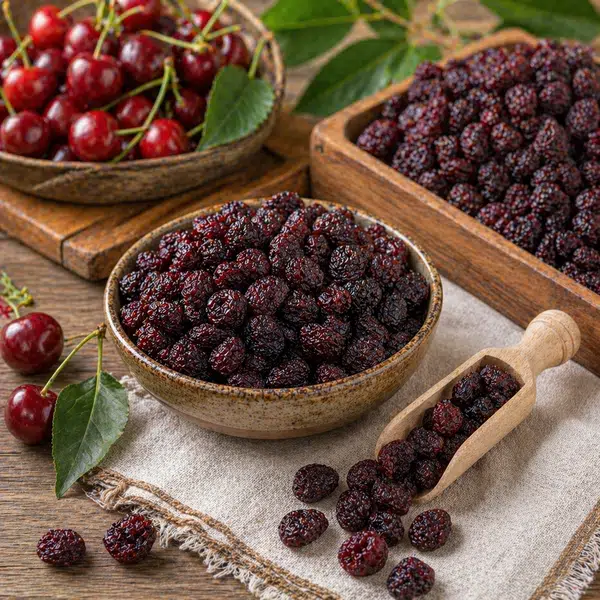
Whole fruit sour cherry supply for sharper-flavored bakery, confectionery, cereal, premium snack and ingredient applications.

Origin: Turkey
Supply mode: Whole fruit formats for bakery, confectionery, snack and industrial use
Commercial role: High-impact specialty fruit line for tart flavor, visual contrast and premium product differentiation
Bakery Confectionery Snack blends Whole fruit Premium use
Dried sour cherries from Turkey

Commercial overview

Dried sour cherries are commercially attractive for buyers seeking a sharper flavor profile and greater application diversity than sweeter dried fruit categories typically offer. Their tart-sweet character gives them a stronger sensory identity, which makes them especially relevant for bakery, premium snack mixes, chocolate products, cereal blends and selected foodservice or ingredient applications.

From a portfolio perspective, dried sour cherries are valuable because they add contrast. They help brands, importers and distributors expand beyond standard apricot, raisin and fig assortments with a fruit that delivers both color and acidity. This makes them useful in premium product concepts where fruit profile matters commercially, not just visually.

This page is structured to help importers, distributors, repackers, private label buyers and industrial users review the line before moving into a detailed quotation process covering grade, whole-fruit condition, pack structure, shipment size, analytical requirements and destination market expectations.

Specification snapshot

Moisture max. 15% in current specification, washed, sorted, packed, non-GMO.

Depending on the commercial program, discussions may also include fruit size distribution, color profile, broken fruit tolerance, stem or pit status where relevant to the agreed format, microbiological expectations, residue alignment, packing style and intended end use.

Final values may be aligned to crop conditions, grade, process route, customer application and destination market requirements.

Range position

Natural / Conventional Range

Whole fruit sour cherry supply for sharper-flavored bakery, confectionery and premium snack applications.

Key applications

  • Bakery
  • Confectionery
  • Snack mixes
  • Cereal blends
  • Premium fruit mixes
  • Ingredient use

Packing direction

  • Whole fruit packs
  • Bakery-use formats
  • Confectionery supply
  • Snack blend programs
  • Bulk cartons
  • Retail-ready options

Why dried sour cherries are commercially useful

This category works best where the buyer wants more than generic dried fruit sweetness. Sour cherries bring a more distinctive taste profile, which can create added value in premium concepts, especially where contrast, tartness and fruit identity are part of the product design.

  • Adds tart flavor contrast to dried fruit assortments
  • Supports premium positioning in snacks and confectionery
  • Works well with cereal, granola and chocolate applications
  • Provides a differentiated alternative to sweeter fruit inclusions
  • Useful for brands seeking stronger flavor identity in mixes and recipes
  • Can strengthen portfolio depth without moving outside familiar dried fruit channels

Typical buyer profiles

  • Importers: expanding dried fruit assortments with a more differentiated fruit profile
  • Distributors: supplying bakery, confectionery, retail and specialty food channels
  • Private label buyers: building premium snack, cereal or fruit-mix programs
  • Repackers: converting whole fruit into retail or blend-ready formats
  • Industrial users: requiring fruit inclusions for cereal, bars, bakery or confectionery systems
  • Snack brands: using sour cherries for sensory contrast and premium mix design

Technical product profile

Product character

Dried sour cherries are valued for their tart-sweet profile, darker red fruit character and strong flavor presence. This gives them commercial appeal in premium and application-led food concepts where taste differentiation matters.

Processing direction

Programs are generally discussed as washed, sorted and packed whole-fruit supply. Buyers may also align on fruit condition, moisture control, defect tolerance, sorting level and packaging direction depending on the application.

Application fit

Suitable for bakery fillings and inclusions, chocolate and confectionery products, premium snack blends, cereal mixes, fruit mixes and selected industrial formulations.

Commercially relevant quality parameters

Buyers typically do not approve sour cherries on fruit name alone. The commercial specification should reflect the intended channel and technical use. The most important quality points are the ones that affect flavor consistency, appearance, handling, processing suitability and post-arrival claim exposure.

  • Moisture level and texture condition
  • Whole fruit appearance and visual cleanliness
  • Size range and fruit consistency
  • Color profile and general visual presentation
  • Broken fruit tolerance
  • Stem, pit or foreign matter control according to agreed format
  • Microbiological expectations according to application
  • Residue and contaminant requirements for the target market
  • Flavor profile consistency for premium product development
  • Packing integrity and storage suitability

Typical specification discussion points

  • Bakery, confectionery, cereal, snack or industrial end use
  • Target flavor direction and product role in the final application
  • Required whole-fruit appearance and defect tolerance
  • Moisture, microbiological and analytical limits
  • Residue expectations and market-specific compliance requirements
  • Pack format, net weight and carton structure
  • Private label scope and retail conversion needs
  • Document package for customs and QA review
  • Shipment size and delivery timing
  • Any customer-specific approval criteria or process requirements

Indicative technical specification framework

The framework below is intended for inquiry-stage alignment. Final product values and tolerances should always be confirmed in the approved product specification and commercial contract.

Product name: Dried sour cherries

Origin: Turkey

Presentation: Whole fruit

Processing status: Washed, sorted and packed

Moisture: Max. 15% in current specification

GMO status: Non-GMO

Appearance: Characteristic for agreed sour cherry grade

Taste and odor: Characteristic tart-sweet profile, free from abnormal odor

Foreign matter: Controlled according to agreed specification

Microbiology: Confirmed according to customer, market and application requirements

Shelf life: To be confirmed according to pack type, storage conditions and production timing

Storage: Cool, dry and hygienic storage away from moisture, heat and odor contamination

Exact values for defects, residues, microbiology, pit or stem tolerance and packaging construction should be agreed according to the intended application and target market.

Bakery direction

Suitable for applications where tart fruit character adds contrast to dough, fillings, mixes and premium baked products.

Confectionery direction

Works well in chocolate-coated products, premium fruit-and-nut concepts and other confectionery formats where flavor contrast matters.

Snack and cereal direction

Relevant for blends and inclusions where a sharper fruit profile improves sensory balance and premium product identity.

Application-specific buying logic

Different channels evaluate sour cherries differently. A confectionery buyer may prioritize flavor intensity and visual contrast, while a cereal buyer may focus more on fruit integrity and blend behavior. A retail buyer may care more about presentation and pack positioning. This is why the actual end use should be defined early.

  • Bakery: tartness, fruit condition and application suitability
  • Confectionery: flavor contrast, appearance and premium inclusion value
  • Snack blends: sensory balance and mix differentiation
  • Cereal blends: fruit integrity, visual contrast and inclusion behavior
  • Private label: pack direction, shelf concept and product positioning
  • Industrial use: specification consistency and process suitability

Packing and private label options

Packing structure depends on whether the product will be used as a bulk ingredient, repacked into blends or sold in a direct-to-consumer format. Bulk supply suits processors and repackers, while smaller formats support retail and private label concepts.

  • Whole fruit packs for bulk import and industrial handling
  • Bakery-use and confectionery supply formats
  • Snack blend programs and repacking formats
  • Retail-ready options for premium consumer sale
  • Private label conversion subject to agreed artwork and legal text
  • Pallet and carton planning based on freight and warehouse needs

Final pack dimensions, inner structure, carton type, palletization, label scope and load plan should be confirmed during quotation and approval.

Shipment and supply planning

Dried sour cherries are often purchased as part of a broader dried fruit or specialty ingredient program rather than as a standalone volume line. Shipment planning therefore matters, especially when buyers are combining categories in the same sourcing cycle or aligning product arrivals to manufacturing and promotional calendars.

  • Suitable for structured specialty procurement programs
  • Can be integrated into mixed dried fruit sourcing plans
  • Requires early alignment on pack direction and documents
  • Benefits from clear pallet and load planning approval
  • Should match production schedules and market timing

Quality assurance and compliance discussion

Even as a specialty fruit line, sour cherries require disciplined technical alignment. Buyers usually need clarity on lot traceability, specification control, microbiological status, residue scope and the document package needed for customs and internal QA approval.

  • Lot-based traceability and product identification
  • Specification alignment before shipment
  • Document readiness for customs and QA review
  • Microbiological and analytical confirmation where required
  • Private label copy review where applicable
  • Inspection criteria defined clearly to reduce post-arrival disputes

Commercial risks to clarify early

  • Not defining the intended application clearly enough before pricing
  • Using generic dried fruit expectations for a sharper, more application-specific product
  • Leaving analytical or residue requirements until late in the process
  • Not aligning whole-fruit expectations with the final use case
  • Starting private label work before label scope and pack direction are fixed
  • Assuming bakery, confectionery and cereal channels require the same specification logic

What buyers usually want from a supplier discussion

Most serious inquiries focus on confirming whether the fruit profile and technical specification match the product concept. Buyers usually want guidance on application fit, packing direction, compliance handling and shipment structure so the quotation is commercially usable from the start.

  • Clear recommendation on the right use route for the fruit
  • Packing options suited to the target channel
  • Technical alignment on moisture, microbiology and compliance
  • Document and traceability clarity
  • Shipment structure that supports repeat business
  • Commercial detail suitable for premium product planning

How Atlas usually discusses this product

Commercial discussions usually begin with the intended use, because a sour cherry program for bakery is not always identical to one intended for confectionery or premium snack blends. The next step is normally to define the target market, expected fruit profile, preferred appearance and required packing direction.

From there, the conversation typically moves into grade logic, microbiological and residue expectations, packing format, labeling scope and whether the supply will be used for bulk import, industrial processing, foodservice distribution, snack blending or private label retail. This keeps the quotation practical and directly tied to the buyer's commercial objective.

Bakery Confectionery Snack blends Whole fruit
Quick Contact